
Neurodiversity in the Workplace
Providing insights into how companies can better support neurodiverse employees and benefit from their unique skills.
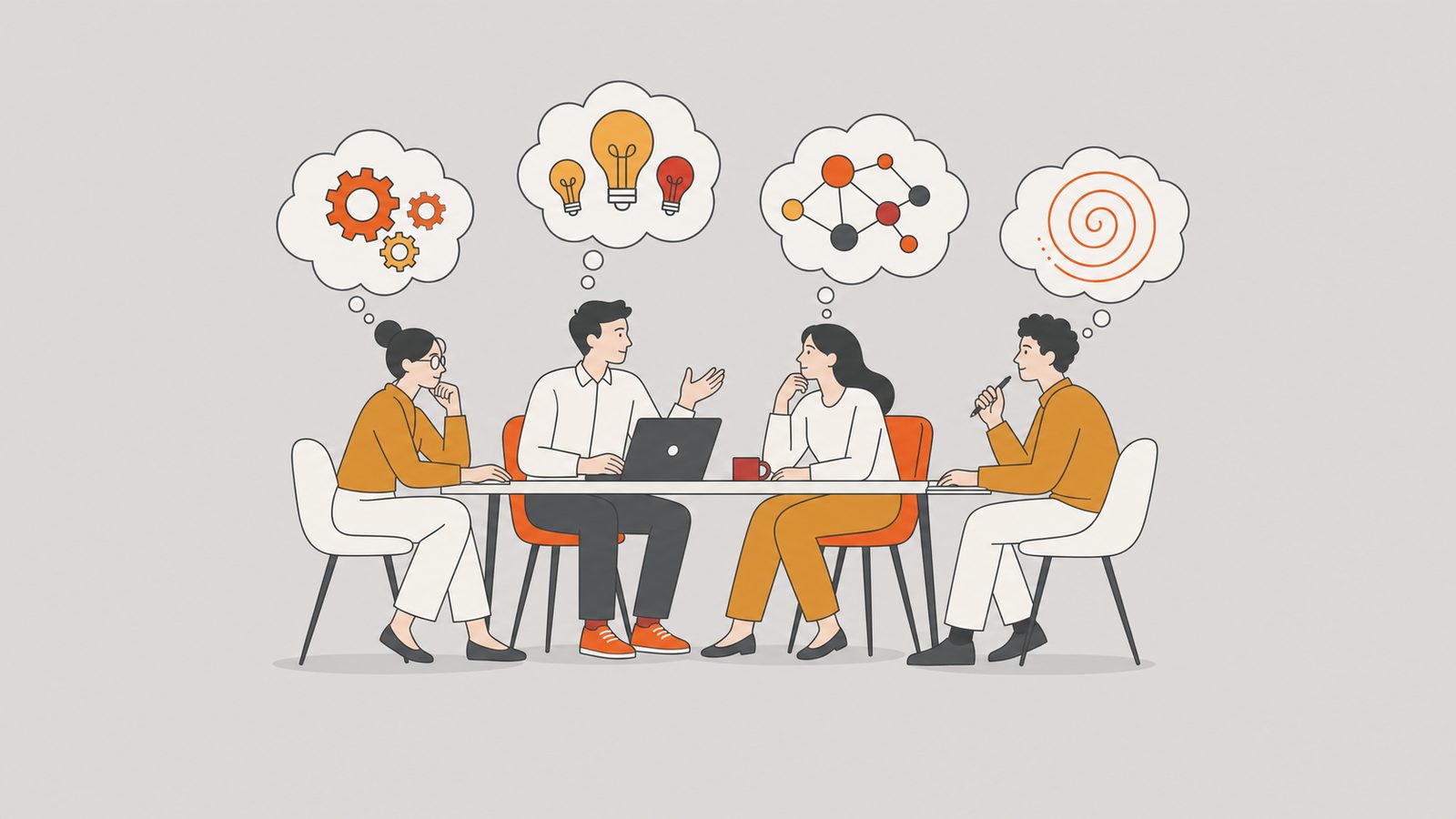
Providing insights into how companies can better support neurodiverse employees and benefit from their unique skills.
Providing insights into how companies can better support neurodiverse employees and benefit from their unique skills.
In recent years, the concept of neurodiversity has gained significant traction in the realm of workplace diversity and inclusion. Neurodiversity refers to the variation in the human brain regarding sociability, learning, attention, mood, and other mental functions. It encompasses a range of conditions such as Autism Spectrum Disorder (ASD), Attention Deficit Hyperactivity Disorder (ADHD), dyslexia, and more. Understanding and embracing neurodiversity not only fosters a more inclusive environment but also allows organizations to benefit from the unique skills and perspectives that neurodiverse individuals bring to the table. This post explores strategies for inclusion and success for neurodiverse employees in the workplace.
Recognizing the Value of Neurodiversity
Neurodiverse individuals often possess exceptional talents in areas such as pattern recognition, memory, and creativity, making significant contributions to fields like information technology, research, and creative industries. By acknowledging and valuing these unique abilities, companies can harness a broader range of skills and innovative solutions.
Strategies for Inclusion and Success
1. Customized Recruitment Processes
Traditional recruitment methods can be challenging for neurodiverse candidates. Companies should adapt their hiring practices to be more inclusive by offering alternative interview formats, such as written interviews or practical assessments, which provide a better platform for neurodiverse applicants to demonstrate their abilities.
2. Flexible Work Environments
Flexibility in work hours and the physical environment can greatly benefit neurodiverse employees. Allowing for remote work, providing noise-canceling headphones, and creating quiet workspaces can help reduce sensory overloads and improve focus and productivity.
3. Tailored Support Systems
Implementing support systems such as mentorship programs, tailored training sessions, and regular feedback can aid in the professional development of neurodiverse employees. These systems should be adaptable to individual needs, offering support in areas such as social skills, time management, and task prioritization.
4. Awareness and Education
Educating staff about neurodiversity and promoting an inclusive culture is crucial. Workshops and training sessions can help dispel myths, reduce stigma, and foster an environment of understanding and support. Awareness initiatives can also include sharing success stories of neurodiverse employees to highlight their contributions and achievements.
5. Inclusive Policy Framework
Developing and implementing inclusive policies and practices that specifically address the needs of neurodiverse employees is essential. This can include adjustments to performance review processes, communication methods, and project assignment criteria to ensure they are fair and accommodating.
6. Leveraging Technology
Technology can play a significant role in supporting neurodiverse employees. Tools such as speech-to-text software, organizational apps, and customized computer interfaces can help mitigate challenges and enhance productivity and independence.
7. Creating Employee Resource Groups (ERGs)
ERGs for neurodiverse employees and their allies can provide a platform for sharing experiences, discussing challenges, and offering support. These groups can also advise the company on best practices for inclusion and help in implementing them.
Benefits to the Organization
Embracing neurodiversity not only benefits neurodiverse individuals but also enriches the organization. Diverse teams are known to be more innovative, as they bring a variety of perspectives and problem-solving approaches. Moreover, creating an inclusive workplace can enhance the company’s reputation, making it more attractive to a broader talent pool and customer base. It also promotes a positive work culture that values empathy, understanding, and respect for individual differences.
Moving Forward in Neurodiversity
As organizations strive to be more inclusive, recognizing and integrating neurodiversity into workplace diversity and inclusion strategies is vital. It requires a commitment to continuous learning, adaptation, and the implementation of supportive measures tailored to the needs of neurodiverse employees. By doing so, companies not only provide a supportive environment for neurodiverse individuals but also unlock the potential for greater innovation, creativity, and overall success.
In conclusion, neurodiversity in the workplace is an asset that, when properly supported, can drive organizational success to new heights. By implementing the strategies outlined above, companies can create an inclusive environment that benefits everyone. The journey towards inclusion is ongoing, but with each step, we move closer to a workplace where everyone has the opportunity to thrive.
About Silvia Flores
Silvia Flores is a distinguished executive search co-founder and managing partner at Alder Koten, a renowned firm specializing in talent acquisition and leadership consulting. With an extensive background in executive search and organizational leadership, Silvia has played a pivotal role in shaping the strategic direction of Alder Koten, driving its mission to connect organizations with transformative leaders. Her expertise in understanding the nuanced requirements of diverse industries and her ability to identify and attract top talent have made her a trusted advisor to companies seeking strategic leadership solutions. Silvia’s visionary approach and commitment to excellence have not only contributed to the success of Alder Koten but have also established her as a respected figure in the executive search and leadership consulting arena.
Like Loading…[]